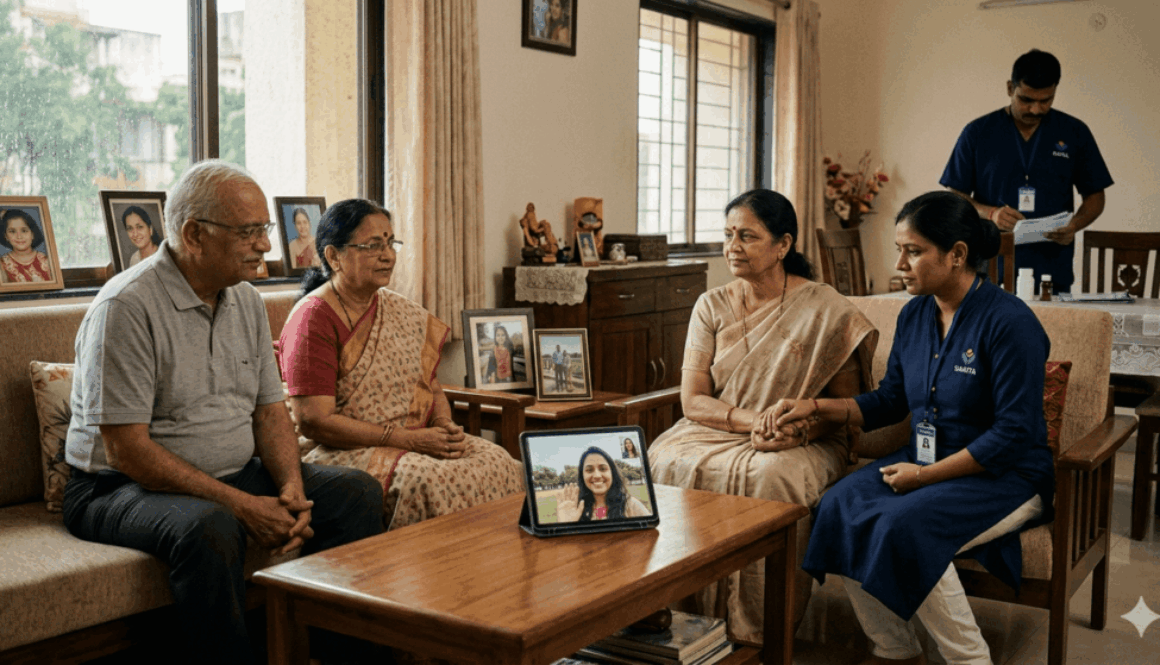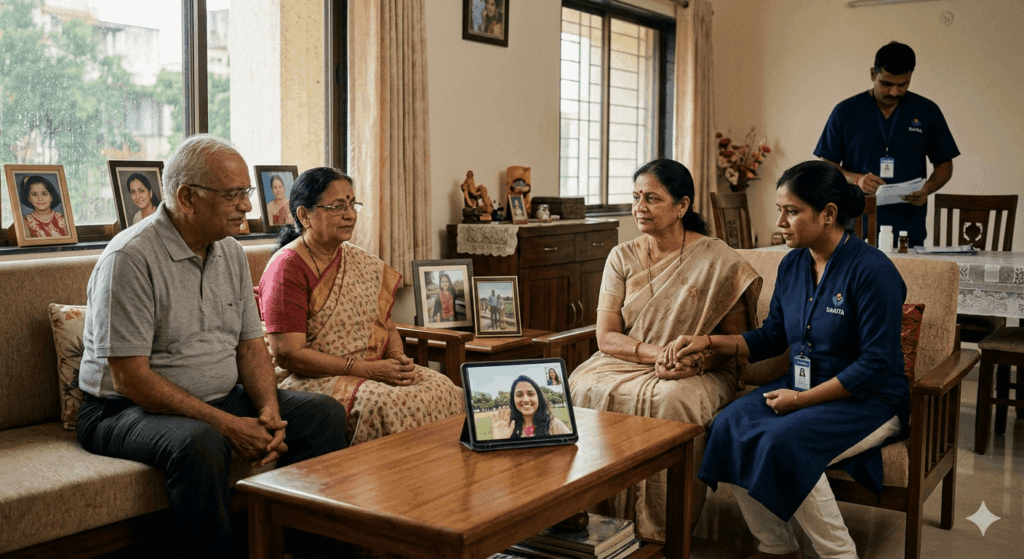

Complete Guide to Senior Citizen Care for NRIs Living Abroad
Introduction: Why NRIs Need a Complete Senior Care Framework
Senior Citizen Care for NRIs Over the past two decades, India has experienced a dramatic shift in family structures. The joint family system — once the backbone of elder care — has given way to nuclear households, urban migration, and a massive surge in international migration. Today, millions of Indian seniors live either alone or with limited family support, while their children build lives and careers in the United States, United Kingdom, Canada, Australia, and the Gulf.
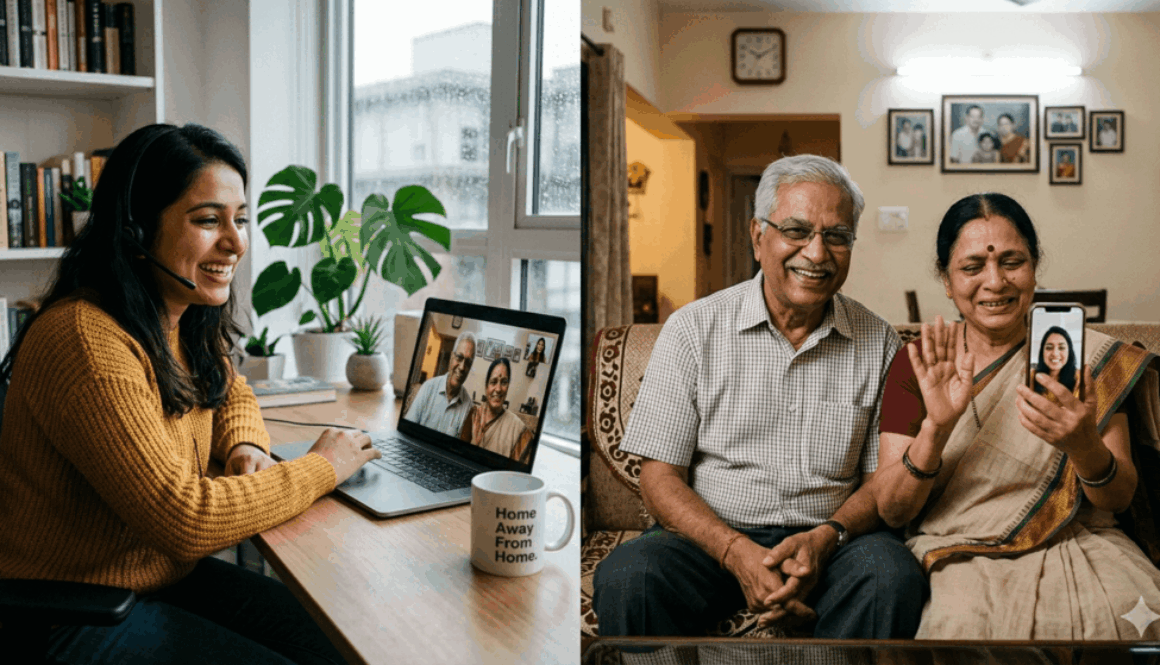
The emotional, logistical, and financial challenges this creates for NRIs managing senior citizen care from abroad are immense and multifaceted. Unlike a local resident who can visit a parent in 30 minutes, an NRI must navigate time zones, flight delays, language barriers in specialist hospitals, and an ever-evolving Indian healthcare and legal landscape — all while managing demanding careers and their own families.
This complete guide is designed to give NRIs a comprehensive framework for senior citizen care in India — covering every dimension from health management and legal preparation to financial security, emotional support, and professional care services.
Whether your parents are currently healthy and independent or already require significant assistance, this guide will help you plan smarter, act faster, and stress less.
Section 1: Understanding the Indian Senior Care Landscape
Before building your care strategy, it is essential to understand the current state of senior citizen care in India.
India’s Growing Senior Population
India is home to over 150 million senior citizens — a number projected to reach 300 million by 2050. Yet the country’s formal elder care infrastructure remains underdeveloped relative to this scale. Government social welfare schemes exist but are inconsistent in implementation. This gap makes private, professional elder care services critically important, especially for NRI families.
The Rise of Professional Elder Care in India
The good news is that the Indian elder care industry has matured significantly. Professional organizations now offer:
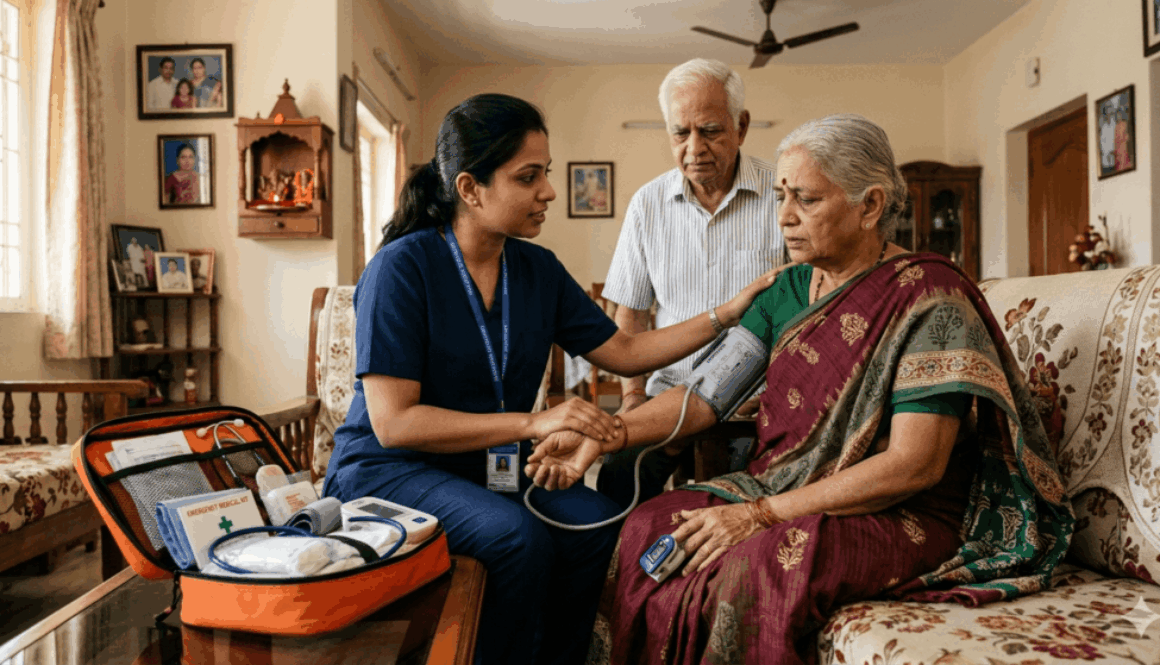
- Home-based care services with trained nurses and caregivers
- Senior living communities ranging from affordable to ultra-premium
- Geriatric specialist medical services in major cities
- Technology-enabled monitoring and telehealth platforms
- Dedicated NRI care coordination services
Platforms like NRICare360 have been built specifically around the NRI family’s unique needs, providing end-to-end senior care management that eliminates the coordination burden on families abroad.
What Senior Care in India Actually Costs
Cost is a key consideration for NRI families. Here is a general estimate of monthly costs:
- Home caregiver (12-hour shift): ₹15,000 – ₹30,000/month
- Home caregiver (24-hour live-in): ₹25,000 – ₹50,000/month
- Assisted living facility: ₹30,000 – ₹1,50,000/month depending on city and amenities
- Nursing home with medical support: ₹50,000 – ₹2,00,000/month
- Professional care management (NRICare360 type services): Varies by service package
Even premium elder care in India is highly affordable compared to equivalent services in the US, UK, or Australia — a significant advantage for NRIs with foreign income.
Section 2: Health Care Management for Senior Parents in India
Health management is the most urgent and complex dimension of NRI senior care. A structured approach makes it manageable.
Building a Geriatric Care Team
Every senior parent should have a dedicated care team, not just a single general physician. Ideally this team includes:
- Primary care physician for routine check-ups and chronic disease management
- Relevant specialists — cardiologist, endocrinologist, orthopedist, or neurologist based on existing conditions
- Dentist and ophthalmologist for regular preventive care
- Physiotherapist if mobility support is needed
- Nutritionist or dietitian for managing age-related dietary needs
As an NRI, request that each provider share reports, prescriptions, and updates via email or WhatsApp so you are always informed.
Managing Chronic Conditions Remotely
India’s most common chronic conditions among seniors include diabetes, hypertension, heart disease, arthritis, and respiratory illnesses. Managing these from abroad requires:
Medication Management:
- Maintain a master medication list shared with all caregivers
- Set up automated dispensers with reminders
- Order medications in advance through platforms like Medkart or 1mg
- Arrange regular prescription renewals via teleconsultation
Monitoring Key Health Parameters:
- Blood pressure: daily readings with a digital monitor
- Blood sugar: regular glucometer readings with logs
- Weight: weekly check-ins
- Oxygen saturation: pulse oximeter readings for respiratory conditions
- Heart rate: smartwatch monitoring where applicable
All these readings should be logged digitally and shared with the primary physician and care coordinator regularly.
Hospital Admission and Discharge Planning
Hospitalizations are some of the most stressful events for NRI families. Prepare in advance:
Pre-Hospital Preparation:
- Register your parents at 2–3 reputed hospitals in their city
- Ensure all medical records are stored digitally and accessible
- Identify a local person (relative, neighbor, or care coordinator) who can accompany during admissions
During Hospitalization:
- Work with your care coordinator to receive daily updates
- Participate in doctor briefings via video call if possible
- Understand the treatment plan, expected duration, and discharge criteria
Post-Discharge Recovery:
- Arrange home nursing if prescribed
- Organize follow-up appointments before discharge
- Ensure the home environment is recovery-ready (bed positioning, mobility aids, dietary changes)
NRICare360’s hospital liaison service handles all of this coordination on behalf of NRI families, from admission to full home recovery.
Section 3: Legal Preparedness — The Framework NRIs Must Build
Legal preparedness is one of the most neglected areas of NRI elder care — until a crisis makes it urgent.
Power of Attorney (POA): Essential for Every NRI Family
A General or Specific Power of Attorney authorizes a trusted individual to act on your parents’ behalf for financial, medical, or property matters when they are unable to do so themselves. For NRIs, this is not optional — it is essential.
Key points:
- A POA must be executed in India and registered with the relevant Sub-Registrar office for real estate transactions
- It can be revoked by your parents at any time as long as they are mentally competent
- Choose an attorney-in-fact (POA holder) carefully — ideally a trusted relative or a professional
- Keep a digital copy and share with relevant institutions (bank, hospital, housing society)
Will and Estate Planning
Encouraging your parents to write a legally valid will is one of the most loving things you can do for your family. Without a will:
- Property disputes among siblings are extremely common
- Legal proceedings through succession certificates are lengthy and expensive
- Assets may be frozen during litigation, leaving dependents without resources
Ensure the will is:
- Written clearly in sound mind
- Witnessed by two independent adults
- Registered with the Sub-Registrar for added legal validity
- Updated whenever major assets are acquired or circumstances change
Advance Health Directives and Living Wills
India’s Supreme Court has upheld the validity of advance directives (living wills) for terminally ill patients. While legally nuanced, having a documented statement of your parents’ wishes regarding life support and end-of-life medical interventions avoids traumatic decision-making during medical crises.
Discuss these difficult but important topics with your parents while they are healthy and mentally sharp.
Section 4: Financial Security for NRI Parents
Financial security underpins everything else in a senior’s wellbeing. NRIs must actively manage and protect their parents’ financial resources.
Income and Pension Management
Most Indian seniors rely on:
- Pension from government or private sector employment
- Interest income from fixed deposits or savings
- Rent from property
- Financial support from children abroad
Ensure pension disbursements are being received, bank accounts are active, and nominations are updated on all financial instruments. Set up mobile banking alerts for all significant transactions.
Senior Citizen Savings Schemes
India offers several government-backed financial products specifically for senior citizens:
- Senior Citizen Savings Scheme (SCSS): High-interest quarterly returns, backed by Government of India
- Pradhan Mantri Vaya Vandana Yojana (PMVVY): Pension scheme with guaranteed returns
- Post Office Monthly Income Scheme (POMIS): Steady monthly income with government backing
These are safer than market-linked instruments for senior citizens who depend on their savings for regular income.
Health Insurance: A Critical Necessity
Out-of-pocket healthcare costs in India can rapidly deplete life savings. Comprehensive health insurance is non-negotiable for seniors.
When evaluating senior health insurance in India:
- Minimum sum insured of ₹10 lakh per person (₹20 lakh preferred)
- Coverage for pre-existing conditions (after waiting period)
- Cashless facility in major hospital networks
- Coverage for day care procedures and domiciliary treatment
- No claim bonus benefits
Review and renew policies annually without fail. Lapsed policies lose waiting period credits, which means pre-existing conditions may not be covered.
Protecting Against Financial Fraud
Senior citizens in India are increasingly targeted by digital and phone scammers. Common scams include:
- KYC fraud via fake bank calls
- Investment fraud promising extraordinary returns
- Property fraud involving forged documents
- Online shopping and UPI fraud
Protect your parents by:
- Setting daily transaction limits on bank accounts
- Enabling two-factor authentication on all financial apps
- Educating your parents about scam patterns
- Regularly reviewing their accounts for unauthorized activity
Section 5: Home Safety and Accessibility
The home environment has a profound impact on senior safety and independence.
Conducting a Home Safety Assessment
A thorough home safety assessment identifies and eliminates hazards that cause the most common senior injuries — falls, burns, and medication errors.
Key areas to assess:
Bathrooms:
- Install grab bars near the toilet and in the shower
- Use non-slip mats on wet surfaces
- Consider a shower chair and handheld showerhead
- Ensure adequate lighting
Bedrooms:
- Bed height should allow easy entry and exit
- Keep pathways clear of rugs, cords, and clutter
- Install nightlights for nocturnal bathroom trips
- Place frequently used items within easy reach
Kitchens:
- Store daily-use items at accessible heights
- Install auto-shutoff stove knobs if memory is a concern
- Ensure smoke and gas detectors are functional
General:
- Secure loose rugs and electrical cords
- Ensure all stairways have sturdy handrails on both sides
- Improve lighting throughout the home
- Consider a doorbell camera for added security
Assistive Devices and Mobility Aids
The right assistive devices significantly extend your parents’ independence:
- Walking sticks, walkers, and rollators for stability
- Wheelchairs or mobility scooters for those with limited mobility
- Ramps for wheelchair access at entrances
- Raised toilet seats and commode chairs
- Bed rails and adjustable hospital-style beds for those with mobility limitations
Section 6: Emotional and Psychological Wellbeing
Senior mental health is as important as physical health — yet it receives far less attention in most NRI care plans.
Recognizing Signs of Depression and Anxiety
Loneliness-related depression is extremely common among elderly Indians whose children live abroad. Warning signs include:
- Withdrawal from social activities previously enjoyed
- Changes in appetite or sleep patterns
- Persistent sadness or tearfulness
- Increased irritability or confusion
- Loss of interest in grooming or self-care
If you notice these signs, consult a geriatric psychiatrist or counselor. Mental health treatment in India has become far more accessible through telehealth platforms.
Cognitive Health: Dementia and Alzheimer’s Awareness
Dementia is one of the most challenging conditions for NRI families to manage remotely. Early detection is crucial. Signs to watch for:
- Repeatedly forgetting recent events or conversations
- Getting lost in familiar places
- Difficulty managing finances or medications
- Personality changes or increased confusion
If diagnosed, care planning must escalate significantly. Memory care facilities in India’s metro cities now offer specialized residential programs, and NRICare360 can help NRI families evaluate and transition parents into appropriate memory care environments.
Building a Joy-Filled Daily Routine
A structured, meaningful daily routine improves both physical and mental health for seniors. Help your parents build a routine that includes:
- Morning exercise or yoga (even chair yoga for limited mobility)
- Mentally stimulating activities: reading, puzzles, chess, or crafts
- Social interaction: visits from friends, community programs, or religious groups
- Evening relaxation: TV, music, or family video calls
- Adequate sleep with consistent bedtimes
Section 7: Choosing the Right Professional Care Service for NRI Families
Given the complexity of senior care management across international borders, partnering with a specialized professional service is the smartest decision most NRI families make.
What to Look for in an NRI Elder Care Service
When evaluating senior care services for your parents in India, look for:
- Verified, trained caregivers with background checks and certifications
- Transparent reporting with regular updates to family members abroad
- Medical accompaniment for hospital visits and specialist consultations
- Emergency response protocols with clear response time commitments
- Technology-enabled monitoring with digital health dashboards
- Holistic service scope covering health, legal, financial, and social dimensions
- NRI-specific communication with time-zone-friendly contact options
Why NRICare360 Stands Apart
NRICare360 was built from the ground up for NRI families who refuse to compromise on the quality of care their parents receive in India.
Key differentiators:
- Dedicated care managers assigned to each family — a single point of contact who knows your parents personally
- Regular wellness visits with written and photographic reports shared digitally
- Medical coordination including appointment booking, doctor accompaniment, and prescription management
- Emergency protocols with hospital pre-registration and immediate response teams
- Legal and financial guidance including POA setup, insurance management, and fraud protection
- Senior engagement programs combating loneliness and promoting mental wellbeing
- Flexible service packages tailored to your parents’ specific needs and your budget
Thousands of NRI families across the US, UK, Canada, and Australia trust NRICare360 to be their presence in India — caring, professional, and completely reliable.
Conclusion: Your Complete Senior Care Action Plan
Building a complete senior care framework for your parents in India is not a one-time task — it is an ongoing commitment that evolves as your parents’ needs change. Here is your action checklist to get started:
Immediate Actions (This Month):
- Conduct a health and living situation assessment
- Set up digital health records
- Review and upgrade health insurance
- Establish a local trusted contact or care coordinator
Short-Term Actions (Next 3 Months):
- Execute Power of Attorney documents
- Conduct a home safety assessment and make modifications
- Set up health monitoring devices and regular check-in routines
- Enroll parents in social engagement programs
Long-Term Actions (Ongoing):
- Review and update all care plans every 6 months
- Adjust care levels as health needs evolve
- Plan regular visits to India to maintain personal connection
- Keep legal and financial documentation current
Most importantly — do not try to do this alone. Professional services like NRICare360 exist precisely because managing senior citizen care from abroad is too important and too complex to improvise.
Your parents gave you everything. Now you have the knowledge, the tools, and the support to give them the dignified, loving care they deserve — no matter where in the world you are.
👉 Get started today at NRICare360.com — India’s most trusted senior care partner for NRI families.