“Best Ways for NRIs to Support and Care for Elderly Parents in India”
For millions of Non-Resident Indians (NRIs) living abroad, one of the most emotionally challenging realities is the distance from aging parents back home. You work hard to build a better life overseas, yet a persistent worry lingers in the back of your mind — are your parents safe? Are they healthy? Are they lonely?
The good news is that in today’s world, distance does not have to mean disconnection. With the right strategies, tools, and support systems in place, NRIs can ensure their elderly parents in India receive exceptional care, companionship, and security — even from thousands of miles away.
This comprehensive guide covers the best ways for NRIs to support and care for elderly parents in India, combining modern technology, professional services, and thoughtful planning.
Best Ways for NRIs to Support and Care for Elderly Parents in India
Living abroad is often a decision made to build a better life for one’s family. For Non-Resident Indians (NRIs), this often comes with a significant and deeply felt challenge: the responsibility of supporting and caring for elderly parents living back in India. Distance adds layers of complexity, but it doesn’t diminish the love or the commitment to ensure their parents live a comfortable, healthy, and dignified life.
This is more than just a logistical issue; it’s an emotional and moral imperative rooted in Indian cultural values. While you may not be physically present, your love, guidance, and support are essential. This comprehensive guide details the best ways for NRIs to bridge the gap and effectively care for their elderly parents in India.
1. Reliable Financial Support: The Foundation of Security
Financial security is paramount for elderly parents. Ensuring a stable and sufficient flow of funds to meet their daily needs, healthcare, and emergencies is the most direct way to provide peace of mind.
- Regular Remittances: The simplest approach is to set up a regular and predictable remittance schedule. This ensures they have a steady income for utilities, groceries, and household help. Utilize digital remittance services to ensure quick and transparent transfers.
- Investments & Recurring Income: Consider investing in financial instruments that generate regular income, such as Senior Citizens’ Savings Schemes (SCSS) or fixed deposits in Indian banks. These provide a reliable source of funds.
- Estate & Legacy Planning: It is critical to facilitate conversations around their assets, bank accounts, and legal matters. Encourage them to create a will and ensure all relevant documents (wills, property papers, insurance policies) are properly organized, updated, and accessible. You can collaborate with a trusted lawyer or financial advisor in India for this.
2. Proactive Healthcare Management: Prioritizing Well-being
Health is the single biggest concern for seniors. As an NRI, you can be a vital partner in managing their healthcare journey, even from thousands of miles away.
- Comprehensive Health Insurance: Ensure your parents have robust health insurance coverage that covers pre-existing conditions and critical illnesses. Research and invest in policies that offer adequate coverage in India. Be involved in the premium payments and renewal process.
- Regular Check-ups & Doctor Visits: Encourage and, if possible, arrange for regular medical check-ups and screenings. Create a detailed record of their medical history, including lists of medications, dosages, and contact information for their doctors.
- Appointing a Medical Guardian or Representative: Consider appointing a trusted relative, family friend, or a professional healthcare service provider in India as a “medical guardian.” This person can accompany your parents to doctor visits, help them understand their condition, manage prescriptions, and act as your point of contact.
- Utilizing Telemedicine: Telemedicine services have revolutionized healthcare. Encourage your parents to consult with doctors via video calls for non-emergency issues, second opinions, or regular follow-ups. This is especially useful for specialist consultations.
3. Home Safety and Comfort: Creating a Secure Environment
A safe and comfortable home environment is essential for preventing accidents and enhancing quality of life.
- Safety Modifications: Invest in modifications that can prevent falls, the most common accident among seniors. This includes installing grab bars in bathrooms, using non-slip mats, improving lighting, and keeping pathways clear of clutter.
- Hiring Trustworthy Help: If your parents need assistance with daily tasks, hiring reliable domestic help or a trained caregiver is a wise investment. This can range from part-time assistance with cooking and cleaning to full-time nursing care for more complex needs. Thoroughly vet and check references for any help you hire.
- Emergency Response System: Install a reliable emergency response system. This could be a wearable device or a wall-mounted button that allows your parents to instantly alert a designated contact person or an emergency service provider in case of a medical crisis or other urgent situation.
- Home Maintenance: Regular maintenance is crucial. Ensure issues with plumbing, electricity, and the home’s structure are addressed promptly to prevent any discomfort or safety hazards. Consider a local property management service.
4. Combatting Social Isolation: The Gift of Emotional Connection
Loneliness is a significant issue for the elderly. Your emotional support is arguably the most vital form of care you can provide.
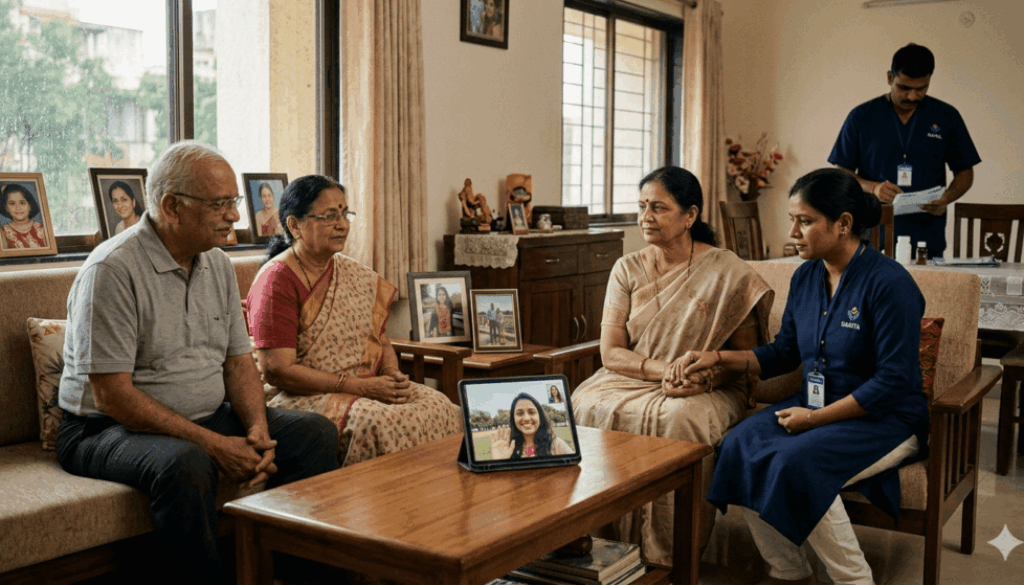
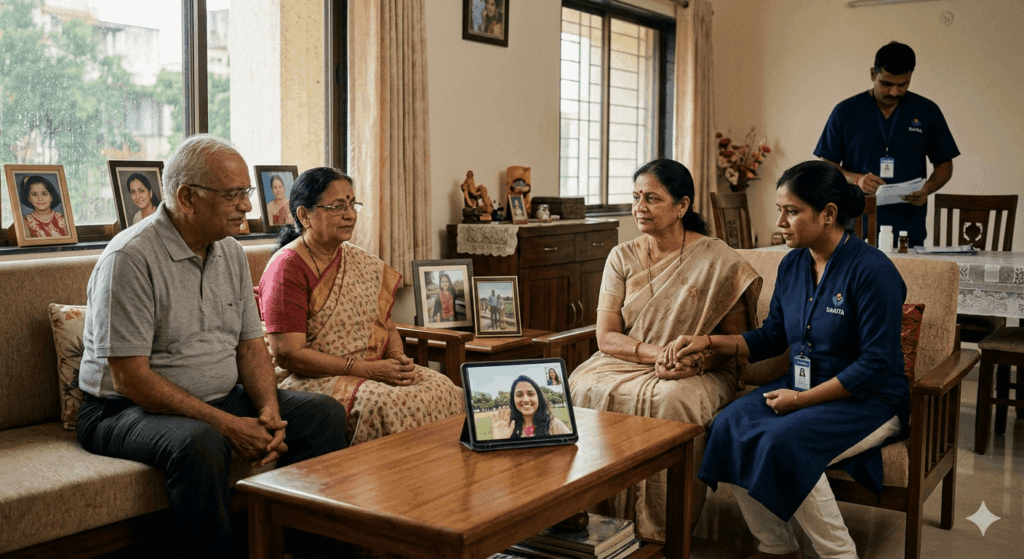
- Regular Communication: Schedule consistent times for video calls, phone conversations, and messages. Hearing your voice and seeing your face can make a world of difference. This is not just a catch-up; it’s a profound way to show you care.
- Digital Literacy Training: If your parents are not tech-savvy, consider investing in simple devices (tablets or specialized phones) and teaching them how to use them for video calls, messaging, or even accessing entertainment. This opens up a new avenue for connection.
- Building a Local Support Network: Actively encourage your parents to stay in touch with relatives, friends, and neighbors in India. This can include participation in local community events or senior citizen groups.
- Facilitating Community Engagement: Look for opportunities for your parents to engage in activities they enjoy, whether it’s at a local temple, a community center, or even volunteering for a cause they are passionate about.
- Scheduled Visits: There is no substitute for physical presence. Plan regular and, if possible, lengthy visits to India. Use this time to not only address their practical needs but to create precious memories and just be together.
Why NRI Parent Care Is a Growing Challenge
India is experiencing a rapid demographic shift. According to government data, the elderly population (aged 60 and above) is expected to reach 300 million by 2050. At the same time, nuclear family structures, urbanization, and international migration mean that millions of seniors are living alone or with limited family support.
For NRI families, this creates a unique set of challenges:
- Time zone differences making daily check-ins difficult
- Inability to respond quickly during medical emergencies
- Dependence on neighbors or distant relatives for day-to-day help
- Elderly parents reluctant to burden their children with problems
- Guilt, stress, and emotional strain on NRIs abroad
Recognizing these challenges is the first step. Acting on them with a structured plan is what makes the real difference.
1. Set Up Regular and Structured Communication
Consistent communication is the foundation of long-distance elder care. It is not just about checking in — it is about maintaining an emotional bond and staying alert to any changes in your parents’ health, mood, or living conditions.
Best Practices for Staying Connected:”Best Ways for NRIs to Support and Care
- Schedule daily or every-other-day video calls using WhatsApp, Zoom, or Google Meet
- Set up a simple tablet or smartphone for parents who are not tech-savvy, with large icons and pre-configured apps
- Use shared family WhatsApp groups to keep siblings and local relatives in the loop
- Ask open-ended questions about how they feel, what they ate, and who visited them
Pay close attention to subtle cues during calls — slurred speech, forgetfulness, weight loss, or mentions of falls can be early warning signs that require immediate attention.
2. Hire Professional Elder Care Services in India
One of the most effective investments an NRI can make is engaging a professional elder care agency in India. The elder care industry in India has grown significantly over the last decade, offering services that rival international standards.
Types of Professional Elder Care Services Available:
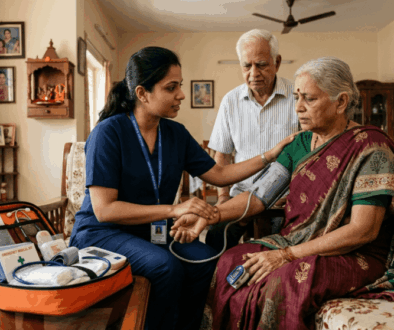
- Home Healthcare Attendants: Trained professionals who assist with bathing, medication, meals, and mobility
- Companion Care Services: Caregivers who provide emotional support, conversation, and accompany seniors to appointments
- Nursing Care at Home: Qualified nurses for post-surgical recovery, chronic illness management, or palliative care
- NRI Caretaker Programs: Specialized services that provide a dedicated point of contact who gives regular updates to the NRI family
When selecting an agency, verify their background check procedures for staff, read reviews from other NRI families, and ensure they provide regular written or video reports. Transparency is non-negotiable.
3. Leverage Smart Technology for Remote Monitoring
Technology has revolutionized how NRIs can monitor and protect their parents from abroad. Investing in the right devices provides both peace of mind and rapid response capability during emergencies.
Essential Technology Tools for NRI Families:
- Smart Door Cameras (CCTV): Install at entrances so you can visually monitor who visits your parents
- Medical Alert Devices: Wearable SOS buttons that connect to emergency services or caregivers with one press
- Smart Medication Dispensers: Automated reminders and dispensers that ensure parents take the right medicine at the right time
- Motion Sensors: Alert you if there is unusual inactivity in the home, which could indicate a fall or medical episode
- GPS Tracking Devices: Especially useful for parents with early-stage dementia to prevent getting lost
Most of these devices can be managed through smartphone apps, allowing NRIs to stay informed and in control regardless of their location.
4. Manage Health and Medical Needs Proactively
Healthcare management is perhaps the most critical aspect of NRI parent care. Without being present in person, NRIs must build a robust medical support system for their elderly parents.
Steps to Build a Strong Medical Support System:
- Identify a trusted local doctor: Establish a relationship with a family physician who knows your parents’ medical history
- Maintain a detailed medical file: Keep digital copies of prescriptions, test reports, insurance documents, and hospital records
- Schedule preventive health checkups: Annual full-body health checkups help detect problems early
- Use telemedicine services: Platforms like Practo, mFine, and Apollo 247 allow parents to consult doctors online, with you joining the call from abroad
- Designate a medical proxy: Assign a trusted family member or friend to make medical decisions in emergencies with a signed authorization letter
Also ensure your parents have comprehensive health insurance. Senior citizen health plans in India now cover hospitalization, critical illness, and even home healthcare — a vital safety net for NRI families.
5. Ensure Legal and Financial Security
Many NRI families overlook the legal and financial dimensions of elder care until a crisis forces the issue. Preparing these foundations in advance protects your parents and gives you peace of mind.
Key Legal and Financial Steps for NRIs:
- Power of Attorney (PoA): Grant a trusted person — yourself or a local relative — the authority to handle property, banking, and legal matters on your parents’ behalf
- Update nomination and will documents: Ensure bank accounts, insurance policies, and property documents have clear nominations
- Set up automatic bill payments: Electricity, water, phone, and insurance premiums should be automated to avoid lapses
- Consolidate accounts: Simplify your parents’ finances to fewer accounts that are easier to monitor and manage
- Guard against financial fraud: Educate your parents about scam calls, fake lottery schemes, and online frauds that specifically target seniors
6. Address Social and Emotional Well-Being
Physical health is only one dimension of elder care. Loneliness and social isolation are serious health risks for seniors, often leading to depression, cognitive decline, and deteriorating physical health. NRIs must actively work to keep their parents socially engaged.
Ways to Keep Elderly Parents Socially Active:
- Enroll them in local senior activity centers or day-care programs
- Encourage participation in religious activities, yoga classes, or hobby groups
- Connect them with neighborhood communities or apartment resident associations
- Gift subscriptions to OTT platforms or audiobook services for entertainment
- Send surprise care packages, letters, or video messages to make them feel loved and remembered
Even small gestures — a handwritten letter, a birthday video call with the entire family, or ordering their favorite meal online — make an enormous difference to an elderly parent living alone.
7. Plan Visits Strategically and Make Every Trip Count
When budget and visa restrictions allow, regular visits from NRI children have an immeasurable positive impact on elderly parents’ well-being. However, simply showing up is not enough — visits should be purposeful and productive.
How to Make NRI Visits More Impactful:
- Schedule comprehensive health checkups and specialist appointments during your visit
- Review and update legal, financial, and insurance documents in person
- Assess home safety — check for fall hazards, adequate lighting, stair rails, and bathroom grab bars
- Meet the caregiver or care agency in person to evaluate their performance
- Have honest family conversations about long-term care preferences, including assisted living options
8. Build a Local Support Network
No care plan is complete without a reliable local network of people who can respond quickly when needed. As an NRI, you cannot be the first responder in an emergency — but someone trustworthy on the ground can be.
Build a support circle that includes a trusted neighbor who checks in daily, a nearby relative or family friend who can respond to emergencies, a local doctor familiar with your parents’ conditions, and a domestic helper or cook for daily household needs. Keep this network informed, appreciated, and compensated fairly — they are your eyes and hands on the ground.
Final Thoughts: Distance Is a Challenge, Not an Excuse
Being an NRI does not mean you have to accept helplessness when it comes to your parents’ care. With deliberate planning, the right professional support, modern technology, and consistent communication, you can ensure your elderly parents in India live with dignity, safety, and joy — even while you are thousands of miles away.
The best way to care for your elderly parents in India is to start today. Assess their current needs, put a care plan in place, and take one step at a time. Your parents gave you their best years — it is time to give them yours.